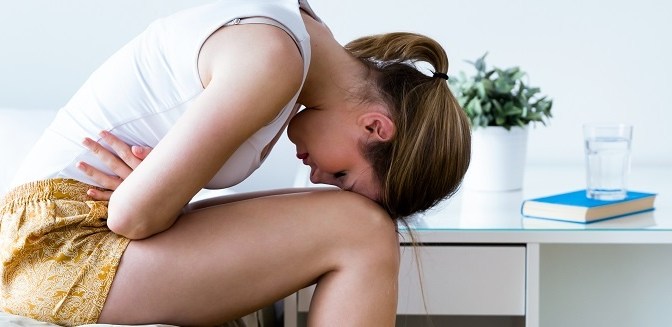
Most adolescents are not unfamiliar with the word ‘menstruation’. It has become a household name.
By definition, it is simply a woman’s monthly bleeding often called ” Period“, which can last for as long as 2- 7 days.
The typical age for girls to start menstruating is age 12. However, some girls start as early as age 8 or as late as age 16.
Women have menstruation up until 45-55 years old, and then they enter Menopause.
Menstrual periods are natural and are part of every woman’s life. However, some women find it difficult to deal with as a result of the discomfort that comes along with it.
It is fundamental to know what a menstrual cycle is and what constitutes a healthy one. The menstrual cycle is the monthly series of hormonal changes a woman’s body goes through in preparation for a possible pregnancy.
It starts on the first day of your last period and ends on the first day of your next period. The average length of a cycle is 28 days long. However, anything between 21 days and 45 days is considered normal.
This series of hormonal changes affect the whole body resulting in familiar menstrual symptoms such as:
1. Acne
2. Cramping in the lower abdomen and back.
3. Mood swings.
4. Constipation/loose bowel/ more frequent bowel movements.
5. Food cravings.
6. Trouble sleeping.
Nevertheless, You may need to visit a physician if:
1. You have severe pain during your periods.
2. You bleed for more than 7 days.
3. You change pads or tampons hourly.
4. You’re 16 years old and still haven’t seen your period.
5. Your period or premenstrual symptoms keep you away from your usual day-to-day activities.
6. Your periods stop or suddenly becomes irregular.
7. You get very gloomy and nervous around the time you get your period.
What can affect your Regular cycle?
The menstrual cycle varies from woman to woman. What is considered normal in one woman may be abnormal in another.
Nonetheless, some factors can affect the regular cycle in any female. These factors include;
1. Using birth control methods like pills, implants, etc.
2. Stress
3. Poor diet and nutrition.
4. Changes in your hormones/hormonal imbalance.
5. Exercising too much
6. Sudden weight gain or loss
7. Being sick
8. Taking certain drugs
It is advisable to keep a track of your menstrual cycle and that is how best to learn if your period is regular or not.
MENSTRUAL CRAMPS
This is one of the most discomforting symptoms of a regular period. While some ladies experience this a lot, some others are fortunate enough to not go through it.
Menstrual cramps can be “primary” or “secondary.”
Primary menstrual pain is caused by the menstruation itself. Secondary menstrual pain is caused by another root element, such as a health condition like endometriosis.
While primary menstrual pain can be relieved by a few simple steps, it is advisable to visit a medical doctor when the discomfort gets severe.
What to do to ease menstrual cramps?
1. Heat- try using a heated pad or a heated water bottle on your abdomen or back. Some others find relief in getting soaked in a hot bath.
2. Pain relief drugs like ibuprofen are quite useful.
3. Exercise – Physical workout. You may need to concentrate on exercises that stretch the abdomen.
4. Rest.
5. Avoid smoking and alcohol


 KOINONIA ART